Microphone Sensitivity and SPL: A Practical Guide
What Sensitivity and SPL Tell You About a Microphone
Microphone sensitivity and maximum SPL are two spec sheet numbers that most buyers skip past — and honestly, for USB microphone users, skipping them is fine. USB mics handle these parameters internally. But for XLR users choosing between dynamic and condenser capsules, and for anyone recording loud sources like instruments or live events, understanding sensitivity and SPL prevents expensive mistakes.
Sensitivity measures how much electrical signal a microphone produces from a given sound level. Higher sensitivity means more signal from the same sound. Maximum SPL measures the loudest sound a microphone can handle before the output distorts. Together, these two specs define the usable volume range of a microphone — the quiet end and the loud end.
Sensitivity: The Spec That Explains Noise Complaints
Sensitivity is measured in millivolts per pascal (mV/Pa) or decibels relative to 1 volt per pascal (dBV/Pa). The numbers look different but describe the same thing: how much electrical voltage the mic produces when hit with a standard sound pressure level.
The heavier moving-coil diaphragm produces a weaker electrical signal. You need to turn up the gain on your audio interface to compensate. The advantage: the mic physically responds less to quiet sounds, which means background noise, room reflections, and mechanical keyboard clicks produce minimal signal. This is why dynamic mics are recommended for untreated rooms.
The lighter diaphragm and active electronics produce a stronger signal. Less gain needed from the interface, which means the preamp noise floor stays lower. The disadvantage: the mic responds to quiet sounds that dynamic mics ignore — every fan hum, keyboard click, and room reflection produces a meaningful signal that enters your recording.
This is the core tradeoff that drives most noise complaints in user reviews. A highly sensitive condenser mic in a quiet, treated room produces exceptional audio with a low noise floor. The same mic in a bedroom with hard walls and an HVAC system running produces a recording full of room noise that no amount of gain adjustment can fix.
Sensitivity is not a quality indicator. It is a tool-selection indicator.
Maximum SPL: When It Matters and When It Does Not
Maximum SPL tells you the loudest sound a microphone can handle before the output clips into distortion. For voice recording — podcasting, streaming, voiceover, Zoom calls — maximum SPL almost never matters.
Here is why. Normal conversational speech registers at 60-70 dB SPL. Loud speaking hits 80 dB. Shouting reaches 85-95 dB. Even a scream rarely exceeds 100 dB SPL. Most microphones handle 120-140 dB SPL before distorting. You would need to record a jet engine or a gunshot to reach the max SPL of a typical podcast microphone.
Max SPL becomes a genuine concern for three use cases: recording drums (especially close-miking a snare or kick), miking guitar amplifiers at stage volume, and recording brass instruments from close range. If you are podcasting, streaming, or making YouTube content, ignore the max SPL spec entirely. It will never be your limiting factor.
Self-Noise: The Sensitivity Spec Most Buyers Miss
Self-noise (also called equivalent noise level or EIN) is the inherent noise a microphone produces with no sound input at all. Put the mic in a perfectly silent room, turn the gain to operating level, and the residual hiss you hear is self-noise. It is measured in dB-A (A-weighted decibels, which approximates human hearing sensitivity).
Self-noise matters more than sensitivity for most home recording scenarios. A mic with low self-noise and moderate sensitivity produces cleaner recordings than a mic with high sensitivity but high self-noise — because the noise is always present, on every take, regardless of your room or technique.
USB microphones rarely publish self-noise specs because the spec includes the internal preamp and DAC noise — which varies by design. XLR microphones publish capsule self-noise, but the total system noise also depends on your audio interface preamp. A quiet mic through a noisy preamp still produces noisy recordings.
The Gain Staging Connection
Sensitivity, self-noise, and maximum SPL all connect through gain staging — the practice of setting input levels so your signal sits in the optimal range of your recording chain.
Honestly, this is where most audio problems actually live. A creator with a perfectly good microphone sets the gain wrong and gets either a noisy recording (gain too low, signal sits near the noise floor) or a clipped recording (gain too high, peaks hit the digital ceiling). Neither problem has anything to do with the mic's specs.
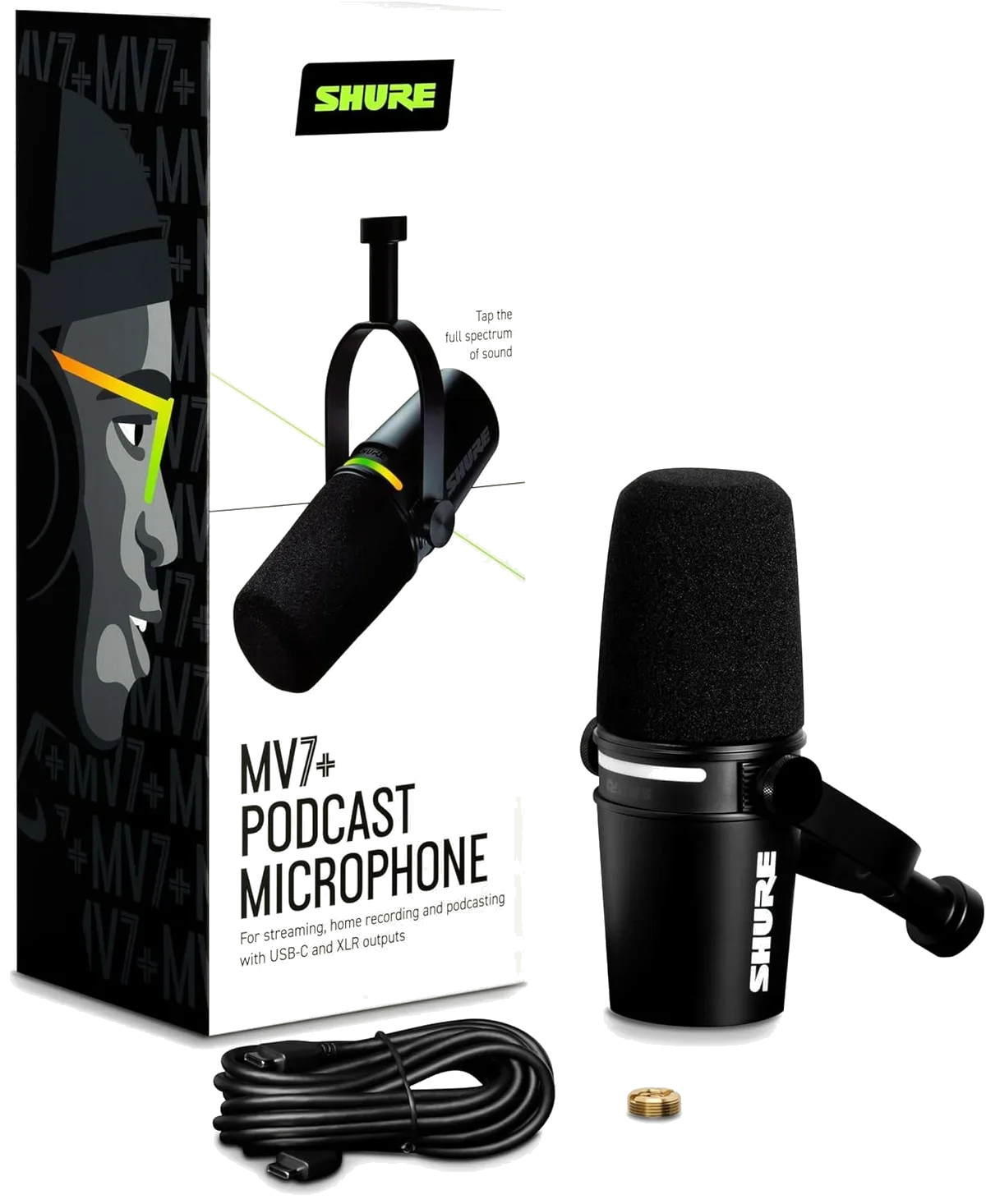
For USB microphones, gain staging is simple: adjust the system volume or the mic's hardware gain until peaks hit between -12 dB and -6 dB in your recording software. The Shure MV7+ podcast microphone automates this with auto-level DSP. The HyperX QuadCast S gaming mic has a physical gain dial on the bottom of the mic. The Blue Yeti USB condenser uses a gain knob on the back.
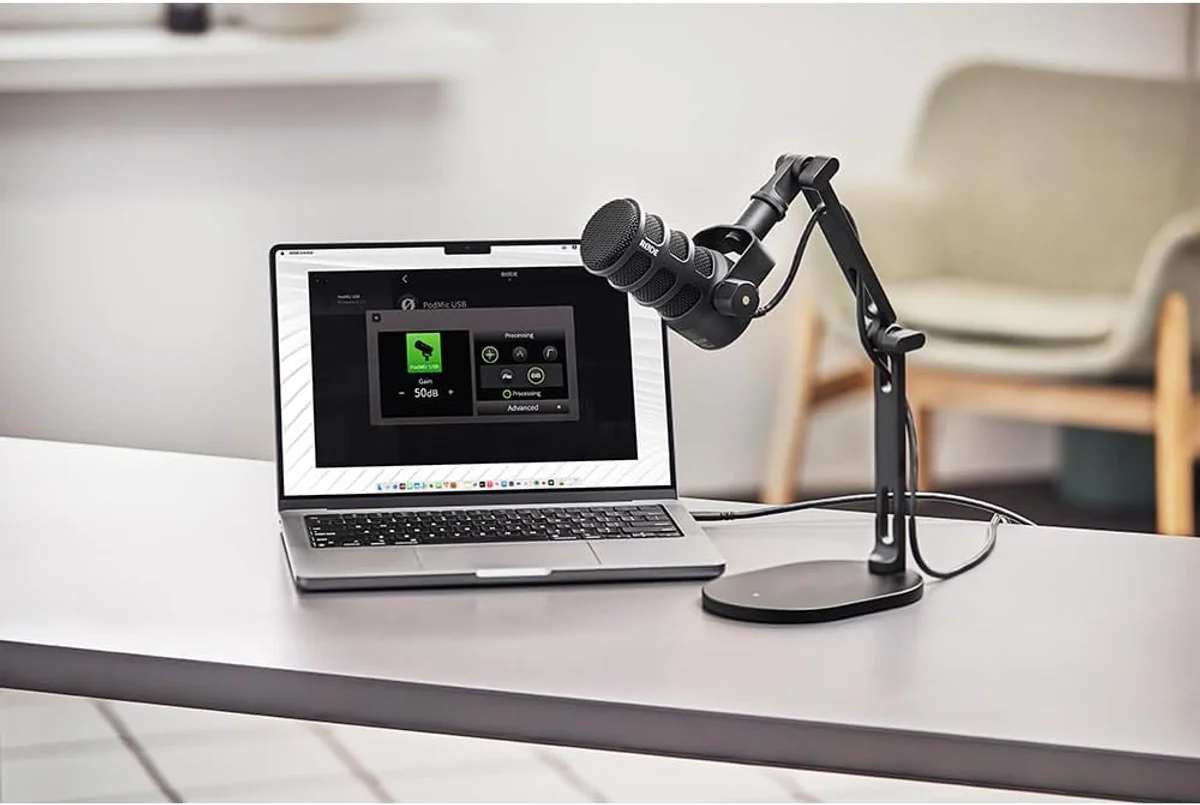
For XLR microphones, gain staging requires more attention. Dynamic mics need 40-60 dB of gain from the interface preamp. Budget interfaces can introduce audible noise at those gain levels. If you plan to use a dynamic mic via XLR, invest in an interface with clean preamps — the Focusrite Scarlett line is the standard budget recommendation.
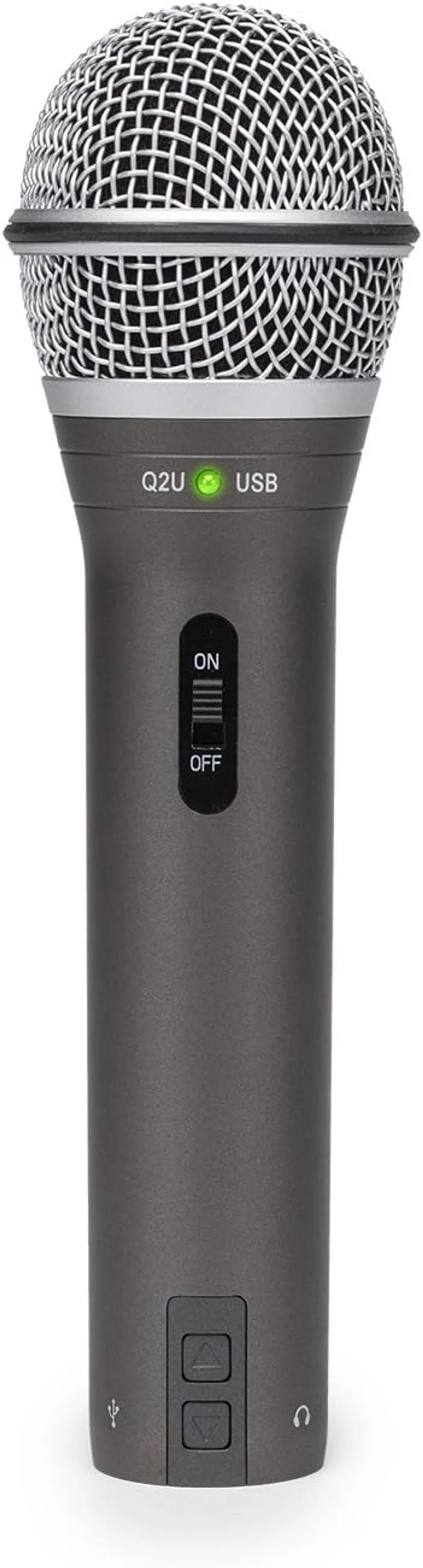
Here is a real-world example that illustrates the relationship. A creator uses the Samson Q2U dynamic via XLR into a $40 audio interface. They crank the gain to 55 dB to get adequate volume from the dynamic capsule. The preamp introduces audible hiss at that level. The creator concludes the mic is noisy. In reality, the mic has low self-noise — the interface preamp is the problem. The same mic via USB — where the internal preamp handles gain — produces a clean signal with no hiss. Or the same mic via XLR into a Focusrite Scarlett — which has clean preamps up to 60 dB — also sounds clean.
The spec sheet cannot tell you this story. But understanding the relationship between sensitivity, gain, and preamp quality explains why the same microphone sounds different through different signal chains. The microphone is the least variable part of the equation. The interface and your technique are what change between setups.
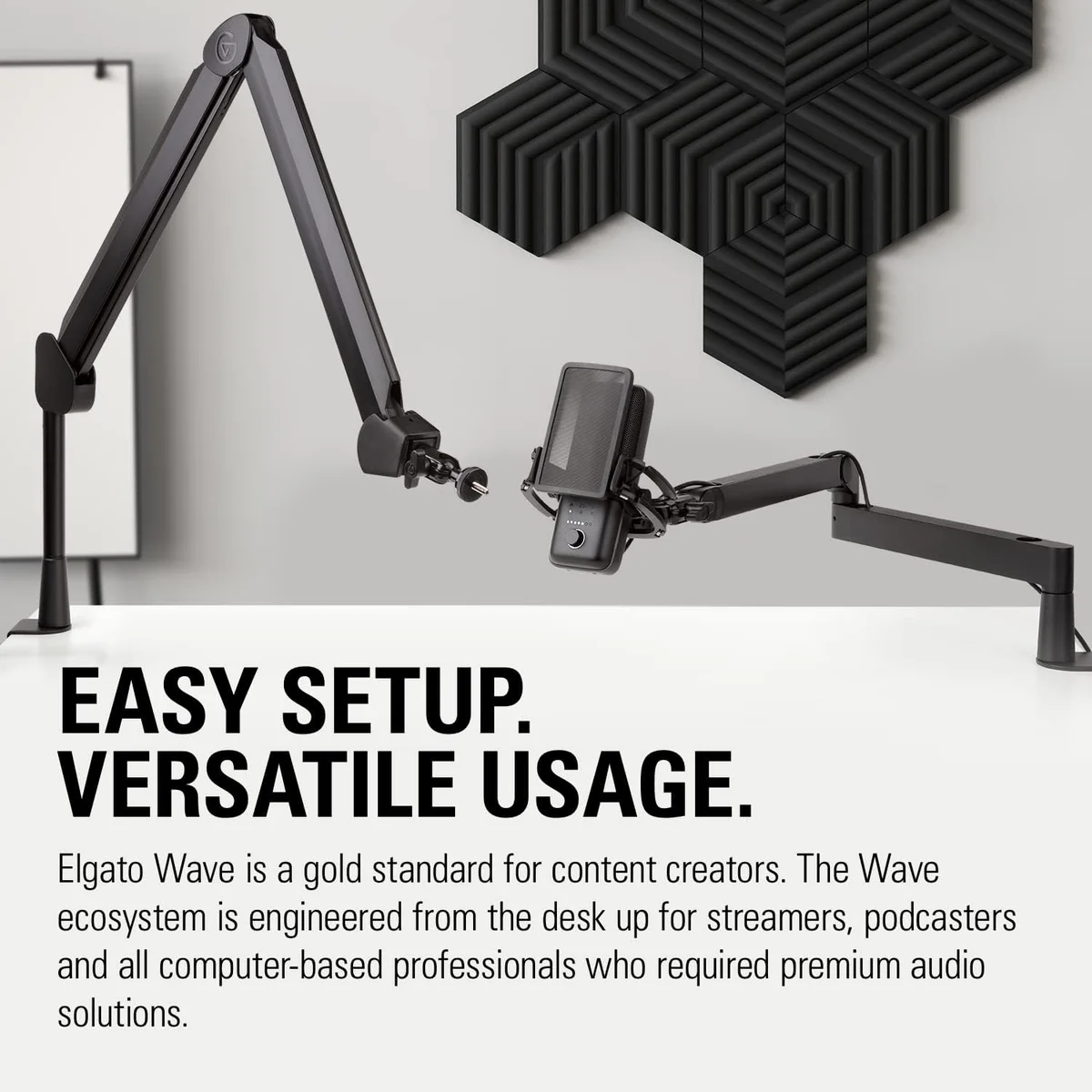
This is why we emphasize mic type and position over spec comparisons. A dynamic mic with "bad" sensitivity numbers, positioned 4 inches from your mouth on a boom arm, produces cleaner recordings than a condenser with "perfect" sensitivity numbers sitting on a desk stand 12 inches away in a room with hard walls. The specs are correct in both cases. The result depends on everything the spec sheet does not measure.
What Content Creators Should Actually Care About
Look — if you record spoken word (podcasting, streaming, YouTube, Zoom), here is what matters in order of importance:
Determines your baseline noise rejection. Dynamic for untreated rooms. Condenser for treated spaces. This single decision affects your recording quality more than every other spec combined.
4-6 inches from your mouth, angled away from noise sources. Improves signal-to-noise ratio by 10-15 dB. Free. Immediate. More impactful than buying a quieter mic.
Peaks at -12 to -6 dB. Takes 30 seconds before each session. Prevents both noise (gain too low) and clipping (gain too high). No gear purchase needed.
Only relevant if steps 1-3 are already optimized and you still hear hiss. At that point, the mic's self-noise spec tells you whether you need a quieter capsule or just a better preamp.
Sensitivity and max SPL are specs for audio engineers choosing microphones for specific recording situations — close-miking a drum kit, capturing a whisper for film dialogue, recording a brass section. For content creators buying a USB microphone, these specs are distractions from the decisions that actually matter.
Real-World Examples From Our Catalog
Abstract specs make more sense when connected to microphones you can actually buy. Here is how sensitivity differences play out across the products we review.
The Samson Q2U dual-connectivity microphone is a dynamic mic with relatively low sensitivity. Via XLR, it needs substantial gain from the audio interface — around 50-55 dB on most interfaces. Budget interfaces with noisy preamps can add audible hiss at those gain levels. Through USB, the built-in preamp handles gain internally, so the external sensitivity spec becomes irrelevant. This is one reason the Q2U works better via USB for beginners who do not own a quality interface.
The Blue Yeti USB condenser microphone has high sensitivity relative to dynamic mics, which is why it picks up room sounds that dynamic mics miss. The multi-pattern design adds complexity — switching from cardioid to omnidirectional increases the effective sensitivity to ambient noise because the mic no longer rejects sound from behind. If your room is noisy, keep the Yeti on cardioid and position it as close to your mouth as practical.
The FIFINE AmpliGame dynamic microphone sits at the budget end of our catalog and demonstrates that sensitivity specs do not correlate with price. Its dynamic capsule rejects background noise as effectively as mics costing three times more — because noise rejection is a function of capsule type and polar pattern, not manufacturing cost. What the budget saves is on build quality, connector durability, and internal component tolerances, not on the acoustic design.
When Specs Actually Help You Choose
There are two narrow scenarios where sensitivity and SPL specs inform a buying decision:
Choosing an XLR mic for a budget interface. If you own a basic audio interface with limited gain (under 50 dB), a highly sensitive condenser mic requires less gain and produces a cleaner signal than a dynamic mic that would max out the preamp. If you own a quality interface with 60+ dB of clean gain, you can use any mic comfortably.
Recording loud instruments. A vocalist who also records acoustic guitar and vocals simultaneously needs a mic that handles both whispered lyrics (requiring sensitivity) and aggressive strumming (requiring SPL headroom). A condenser with 130+ dB max SPL covers both extremes. A dynamic mic with 140+ dB max SPL is even safer for loud sources but may need more gain for quiet passages.
Outside these two scenarios, sensitivity and SPL are engineering specs that have minimal practical impact on your microphone purchase decision. Choose your mic based on type (dynamic vs condenser), connectivity (USB vs XLR), polar pattern, and price. These four factors determine 95% of your recording quality. Sensitivity and SPL refine the remaining 5% — and only matter if the first four decisions are already correct.
Frequently Asked Questions
What sensitivity rating is good for podcasting?
For USB microphones, sensitivity is handled internally — the built-in preamp compensates. For XLR microphones, higher sensitivity (like -35 dBV/Pa on a condenser) means you need less gain from your interface, which keeps the noise floor low. Dynamic mics (around -55 dBV/Pa) need more gain but reject more background noise. For podcasting in untreated rooms, the lower-sensitivity dynamic is the better choice.
What does SPL mean on a microphone spec sheet?
SPL stands for Sound Pressure Level, measured in decibels (dB SPL). The max SPL spec tells you the loudest sound a mic can handle before distorting. For voice recording, this rarely matters — conversational speech is 60-70 dB SPL, and even shouting only hits 85-95 dB. Max SPL matters for recording drums (100-120 dB), guitar amps (100-130 dB), and live concerts.
Does higher sensitivity mean better audio quality?
No. Higher sensitivity means the mic produces more voltage from a given sound level. This can be an advantage (need less gain, lower noise floor) or a disadvantage (picks up more background noise, clips more easily). The best sensitivity depends on your recording environment and source volume, not on which number is higher.
Can a microphone be too sensitive for voice recording?
Yes. A highly sensitive condenser mic in an untreated room picks up keyboard clicks, HVAC, room echo, and computer fans alongside your voice. Dynamic mics with lower sensitivity naturally reject these sounds. If you are getting too much background noise, the fix is often a less sensitive mic (dynamic instead of condenser) rather than adding noise reduction software.
What is self-noise and how does it relate to sensitivity?
Self-noise (or equivalent noise level) is the inherent noise a microphone produces with no sound input — measured in dBA. Lower is better. Self-noise and sensitivity are independent specs: a mic can be highly sensitive with low self-noise (ideal for quiet recording) or moderately sensitive with higher self-noise (common in budget mics). For voice recording, self-noise under 15 dBA is excellent; under 20 dBA is acceptable.
Why do dynamic mics need more gain than condensers?
Dynamic mics generate a weaker electrical signal from sound pressure because they use a heavier, less responsive diaphragm. You compensate by turning up the gain on your audio interface. The tradeoff: more gain amplifies the interface preamp noise floor. Quality interfaces (Focusrite, PreSonus) have clean preamps that handle high gain well. Budget interfaces may add audible hiss at the gain levels dynamic mics require.
Our Top Recommendation
Based on our research, the Shure MV7+ is our top pick — serious podcasters and streamers who want a single mic that works with both usb-c and xlr, especially in untreated rooms..
Get Mic Picks Delivered
One email per week. Honest reviews, zero spam.
Only when something changes. Unsubscribe anytime.