Wired vs Wireless Microphones: Pros and Cons
The Core Tradeoff: Mobility vs Audio Quality
Wired and wireless microphones serve fundamentally different recording scenarios, and choosing between them is not a quality judgment — it is a format decision driven by how you create content. A wired microphone on your desk produces better audio. A wireless microphone on your collar lets you move. Neither is universally superior because they solve different problems.
The mistake most buyers make is choosing based on convenience rather than content format. Wireless sounds appealing — no cables, freedom to move, cleaner desk setup. But for desk-based content like podcasting, streaming, and Zoom calls, wireless adds cost, battery management, and complexity while delivering equal or worse audio than a wired mic that costs half as much.
Here is the honest breakdown of when each format wins, with specific product recommendations for every scenario.
Wired (USB / XLR)
- Higher audio fidelity — larger capsule, closer positioning, no radio transmission
- Zero latency — signal travels at the speed of electricity through a cable
- No batteries — powered by USB bus or phantom power, runs indefinitely
- Better noise rejection — desktop position + dynamic capsule = optimal for voice
- Lower cost at equivalent quality — no transmitter, receiver, or battery to pay for
Wireless (Lavalier / Clip-on)
- Full mobility — walk, move between locations, gesture freely while recording
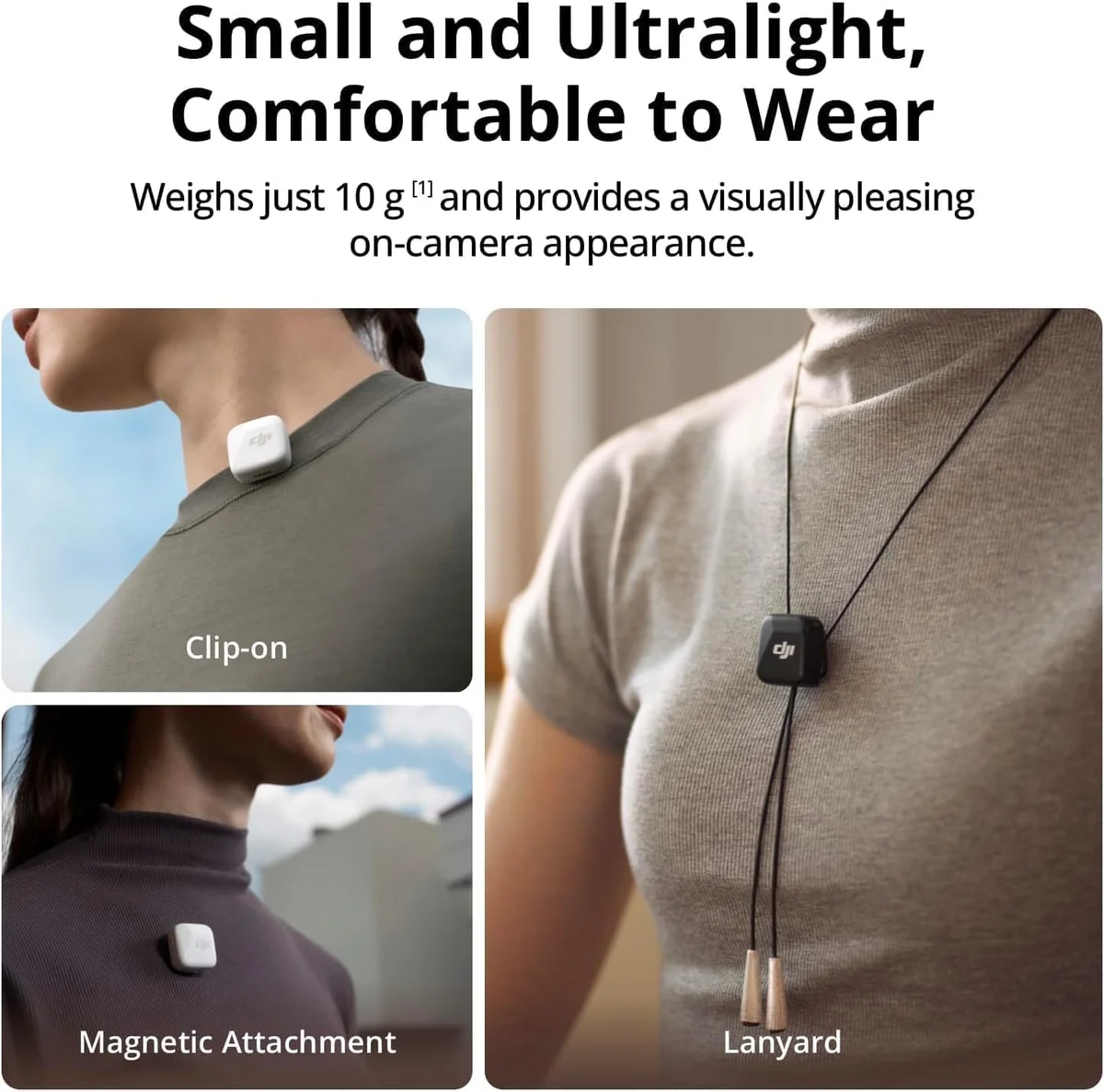
- Invisible on camera — tiny clip-on transmitters hide under clothing or behind collars
- Multi-person recording — dual transmitter systems capture two speakers simultaneously
- Phone compatibility — direct lightning/USB-C receivers for smartphone recording
- On-location freedom — works outdoors, in cars, at events, anywhere a desk mic cannot go
Audio Quality: How Big Is the Gap?
Five years ago, the gap between wired and wireless audio quality was a canyon. Wireless lavalier mics sounded thin, noisy, and compressed compared to even budget wired mics. That gap has narrowed — modern systems from DJI, Rode, and Hollyland produce clean, broadcast-ready audio — but it has not closed.
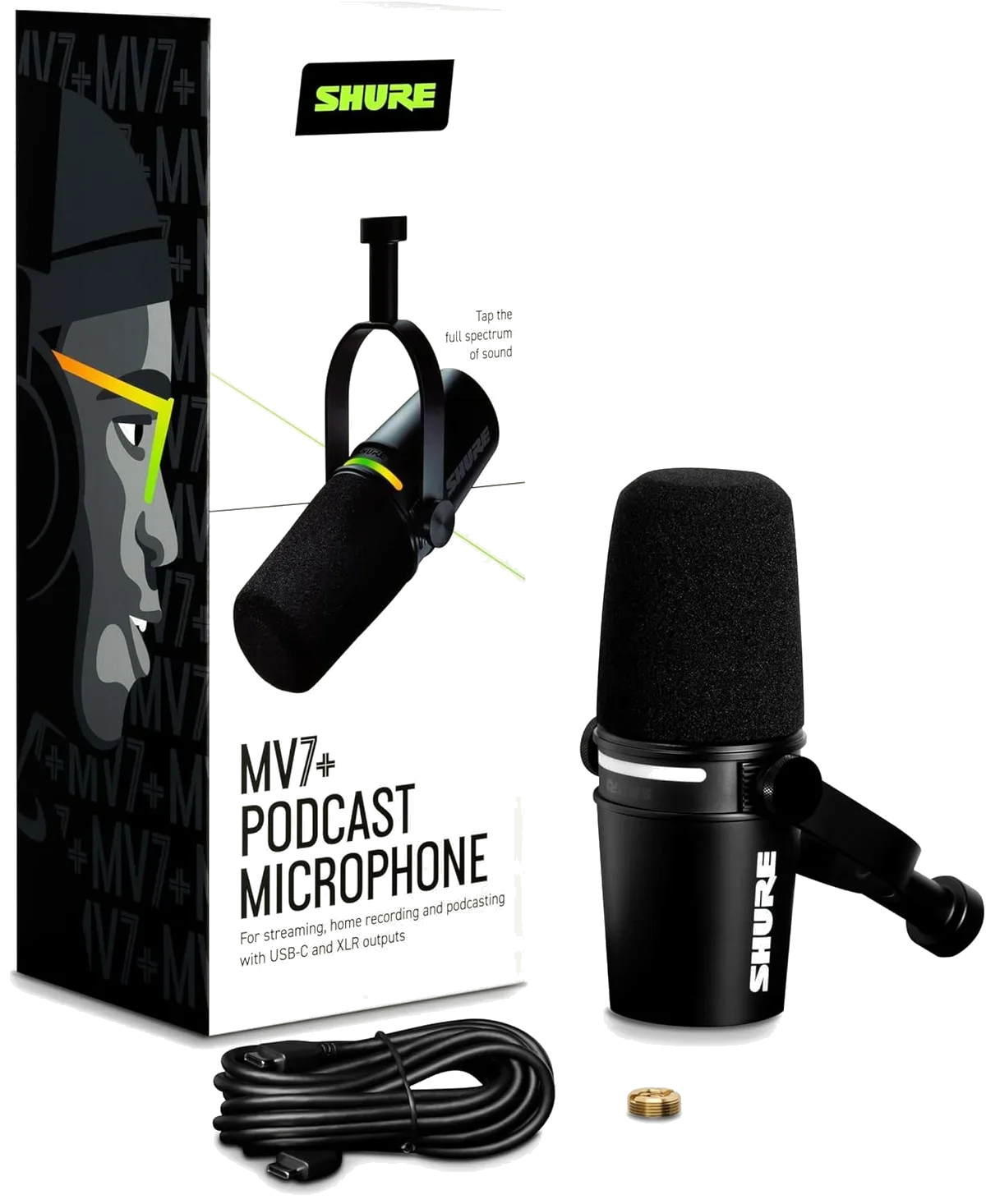
A wired dynamic mic like the Rode PodMic USB broadcast microphone or Shure MV7+ podcast microphone, positioned 4-6 inches from your mouth, captures voice with a richness and warmth that no lavalier mic can match. The capsule is larger, the positioning is closer, and there is no radio transmission adding noise to the signal chain.
Wireless mics compensate with placement. A lavalier clipped 6 inches below your chin captures voice consistently regardless of head movement — something a desk mic cannot do when you turn to look at a second camera or lean back in your chair. For video content where the mic must be invisible and the speaker must move, the audio quality tradeoff is acceptable.
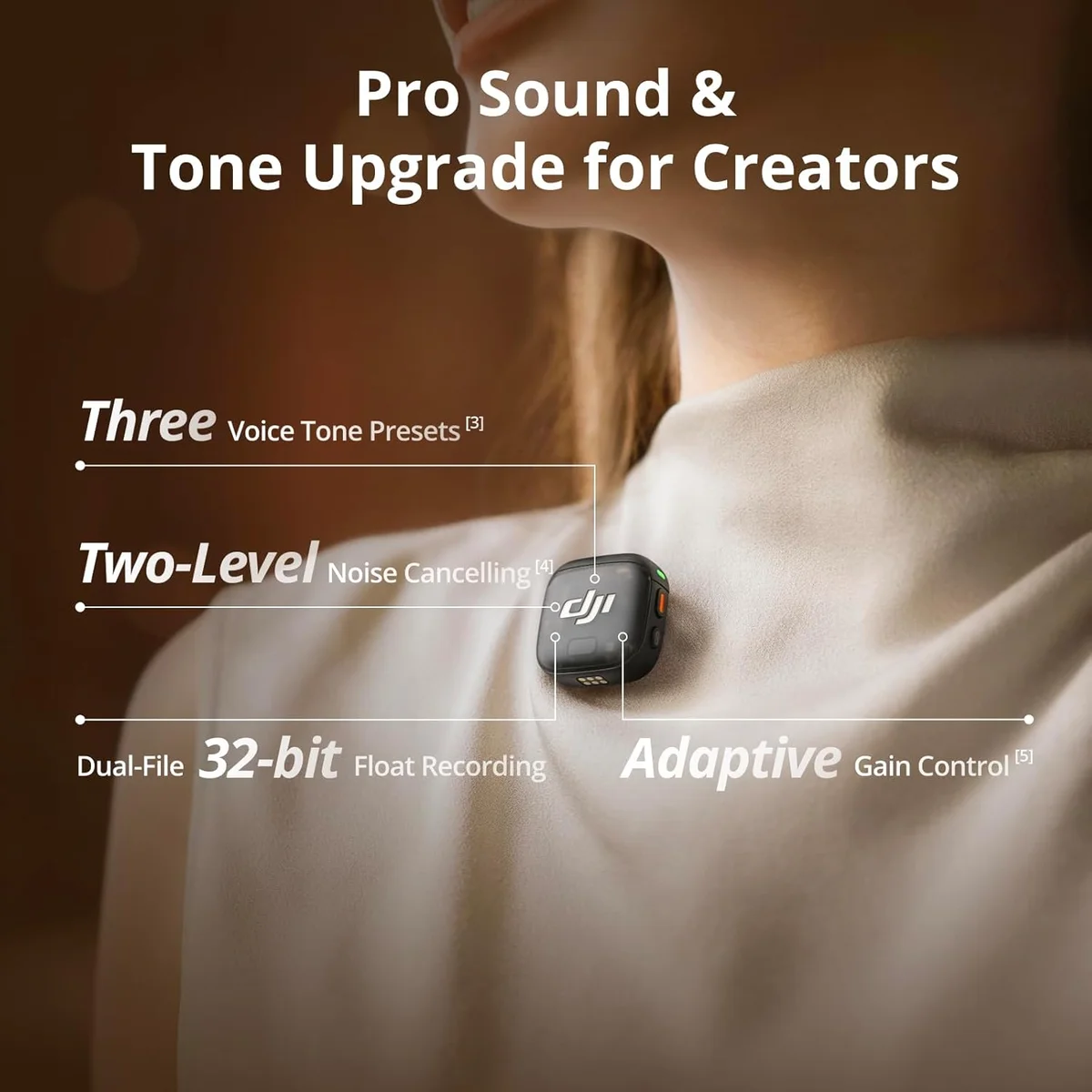
The DJI Mic 3 professional wireless system has narrowed the gap the most with 32-bit float recording. This captures audio with enough dynamic range that clipping becomes physically impossible — even if a speaker shouts or the transmitter gain is set wrong, the recording is recoverable in post-production. No wired USB mic at this price point offers 32-bit float.
Battery Life: The Hidden Constraint
Wired microphones run forever — they draw power from USB or phantom power with zero maintenance. Wireless mics die when the battery dies, and the timing is always inconvenient.
Best battery life in the category. The charging case acts as a power bank, recharging transmitters between takes. Covers a full day of filming without a wall outlet.
Longest per-charge runtime we have reviewed. The ultra-compact form factor makes this the lightest option for all-day wear. Noise cancellation processing runs on the transmitter without affecting battery life noticeably.
No charging case — transmitters charge individually via cable. The onboard recording feature (internal storage) acts as a backup if the wireless link drops, but adds complexity to the workflow.
Never runs out. Never needs charging. Never interrupts a recording session. For multi-hour podcast recordings and long streaming sessions, this is a genuine advantage over wireless.
Latency: Does It Matter?
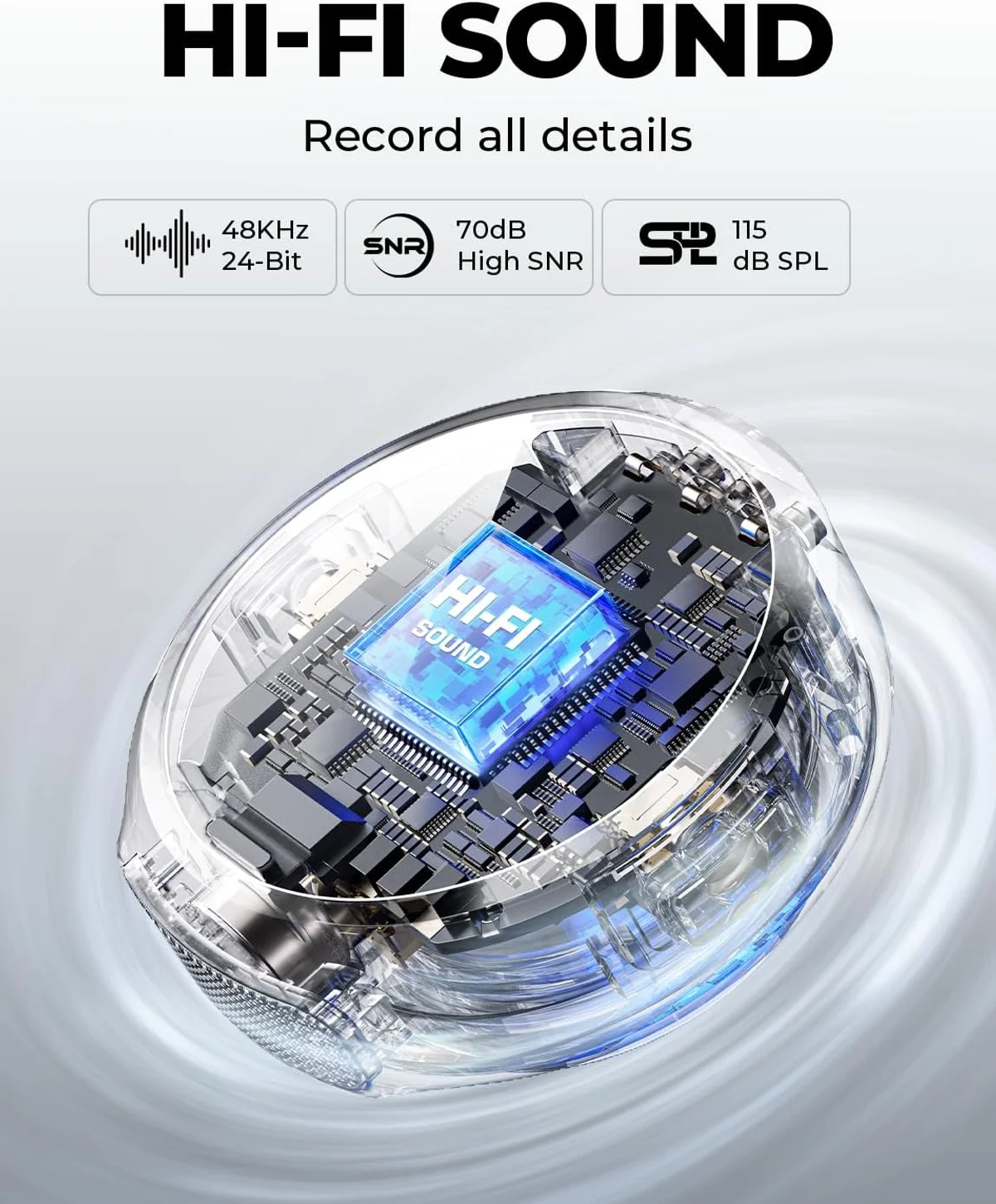
Wireless microphones add latency — a small delay between when you speak and when the audio reaches the receiver. Modern digital systems keep this under 20 milliseconds, which is imperceptible for video recording where audio syncs to video in post-production.
For live monitoring (hearing your own voice through headphones while recording), even 10-15ms of delay can feel disorienting to some speakers. The DJI Mic 3 and Rode Wireless Go II both offer monitoring through the receiver, but the delay is present. If real-time monitoring matters to your workflow — live streaming, real-time voice coaching, music performance — a wired mic eliminates this variable entirely.
For pre-recorded content that gets edited before publishing, wireless latency is a non-issue. Your editing software aligns audio to video automatically, and the 15ms offset is corrected with a single click.
Dual-Connectivity Mics: The Middle Ground
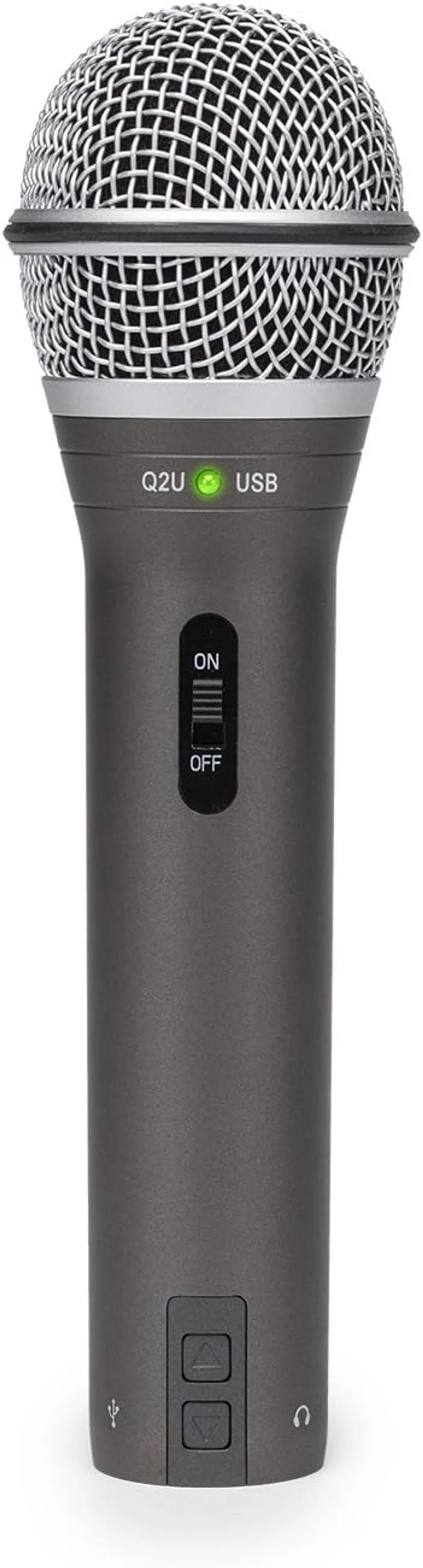
Some microphones bridge the wired-wireless divide by offering both USB and XLR outputs in a single device. The Samson Q2U dual-connectivity microphone and Shure MV7+ podcast microphone both connect via USB for plug-and-play simplicity or via XLR for professional signal chain integration.
These are not wireless — they are wired mics with two wired connection options. But they solve a related problem: creators who start with USB simplicity and later want to move to an XLR setup with an audio interface do not need to buy a new microphone. The same mic works on both connection types. The FIFINE AmpliGame dynamic microphone offers the same dual-connectivity at the budget tier.
Dual-connectivity does not replace wireless. If you need to move freely, you need a wireless system. If you need to sit at a desk and want flexibility in how you connect, dual-connectivity gives you options without the battery management, radio interference, and latency considerations that wireless systems introduce.
Recording Quality by Scenario
Rather than abstract quality comparisons, here is what each format actually sounds like in common recording situations.
Quiet home office, solo recording: A wired dynamic mic like the Rode PodMic USB 4 inches from your mouth produces warm, rich voice audio with minimal room noise. A wireless lavalier clipped to your collar 6 inches from your chin produces thinner, more distant audio with more room ambience. The wired mic wins because proximity compensates for everything else.
Walking through a city, filming with a phone: A wireless lavalier like the DJI Mic Mini clipped to your jacket captures your voice clearly above traffic noise because it stays close to your mouth regardless of movement. A wired mic held in your hand picks up handling noise, limits your movement, and looks awkward on camera. Wireless wins because the use case demands it.
Two-person interview in a conference room: Dual wireless transmitters give each speaker isolated audio channels that can be mixed independently in post. A single wired mic between two people captures both voices at varying distances, making consistent audio nearly impossible. The DJI Mic 3 and Hollyland Lark M2 both ship with dual transmitters for exactly this scenario.
4-hour Twitch stream: A wired USB mic like the Elgato Wave:3 condenser runs the entire session without a battery check, a recharge break, or a dropped connection. A wireless lavalier needs a battery swap at the 7-hour mark (if you are lucky) and adds the anxiety of potential dropouts. Wired wins for endurance.
Use Case Decision Matrix
Stop debating specs and choose based on what you actually record.
Fixed position, close mic technique, hours-long sessions. A Shure MV7+ dynamic or Rode PodMic USB on a boom arm delivers better voice audio than any wireless system.
Sessions last 3-8 hours. Battery death mid-stream is unrecoverable. A USB mic like the Elgato Wave:3 condenser or Blue Yeti USB runs forever and provides better noise rejection than a lavalier.
You move between locations, face different directions, and need invisible audio capture. The DJI Mic 3 or Hollyland Lark M2 clip on and disappear.
Dual-transmitter wireless systems give each speaker their own isolated audio channel. No shared desk mic, no fighting over position. Both DJI and Hollyland include dual transmitters in their standard kits.
Phone-based recording needs a mic that connects directly to Lightning or USB-C. The DJI Mic Mini ($25–$50) plugs into your phone and delivers audio that is a step change from the built-in microphone.
If you sit at a desk, a wired USB mic like the Samson Q2U dynamic ($50–$100) is simpler and better. If you move around your office during calls, a wireless lavalier keeps your voice consistent regardless of position.
Wireless Interference and Reliability
Wireless microphones transmit audio over radio frequencies — typically 2.4 GHz in modern consumer systems. This is the same frequency band used by Wi-Fi routers, Bluetooth devices, wireless keyboards, and microwave ovens. In environments dense with 2.4 GHz traffic — offices, convention centers, apartment buildings — wireless mics can experience momentary dropouts, clicks, or static.
The DJI Mic 3 and Rode Wireless Go II both handle interference well through frequency hopping — automatically switching to cleaner channels when interference is detected. But no system is immune. We have seen user reports of audio dropouts at trade shows and in high-rise apartments where dozens of Wi-Fi networks compete for the same spectrum.
Wired microphones do not have this problem. Period. A USB cable or XLR cable carries audio with zero susceptibility to radio interference. For recordings that cannot tolerate any audio artifacts — paid voiceover work, professional podcast production, audiobooks — wired connections offer a reliability guarantee that wireless cannot match.
For casual content creation where an occasional half-second dropout can be edited out, wireless reliability is more than adequate. Modern systems fail rarely enough that most creators never experience an issue. But if your workflow depends on continuous, uninterrupted audio capture — live streaming, for instance — wireless adds a variable that wired mics eliminate.
Outdoor Recording Considerations
Outdoor recording is where wireless microphones have no competition. You cannot run a USB cable from your camera to your mouth while walking through a park. And even if you could, outdoor wind noise requires a microphone positioned close to your mouth with a windscreen — which is exactly what a clipped lavalier with a foam cover provides.
Wind is the primary enemy of outdoor audio. Every wireless lavalier in our catalog ships with foam windscreens that reduce wind noise by 15-20 dB. For moderate wind, the included windscreens work. For heavy wind (beaches, hilltops, open fields), a furry "dead cat" windscreen provides an additional 10-15 dB of reduction. The DJI Mic 3 and Hollyland Lark M2 both offer optional dead cat accessories.
Wired desktop mics are functionally useless outdoors. Even if you brought a portable recorder and a dynamic mic, the handling noise from holding the mic, the lack of a stable position, and the distance from your mouth would produce worse audio than a $30 wireless lavalier clipped to your collar.
Cost Comparison
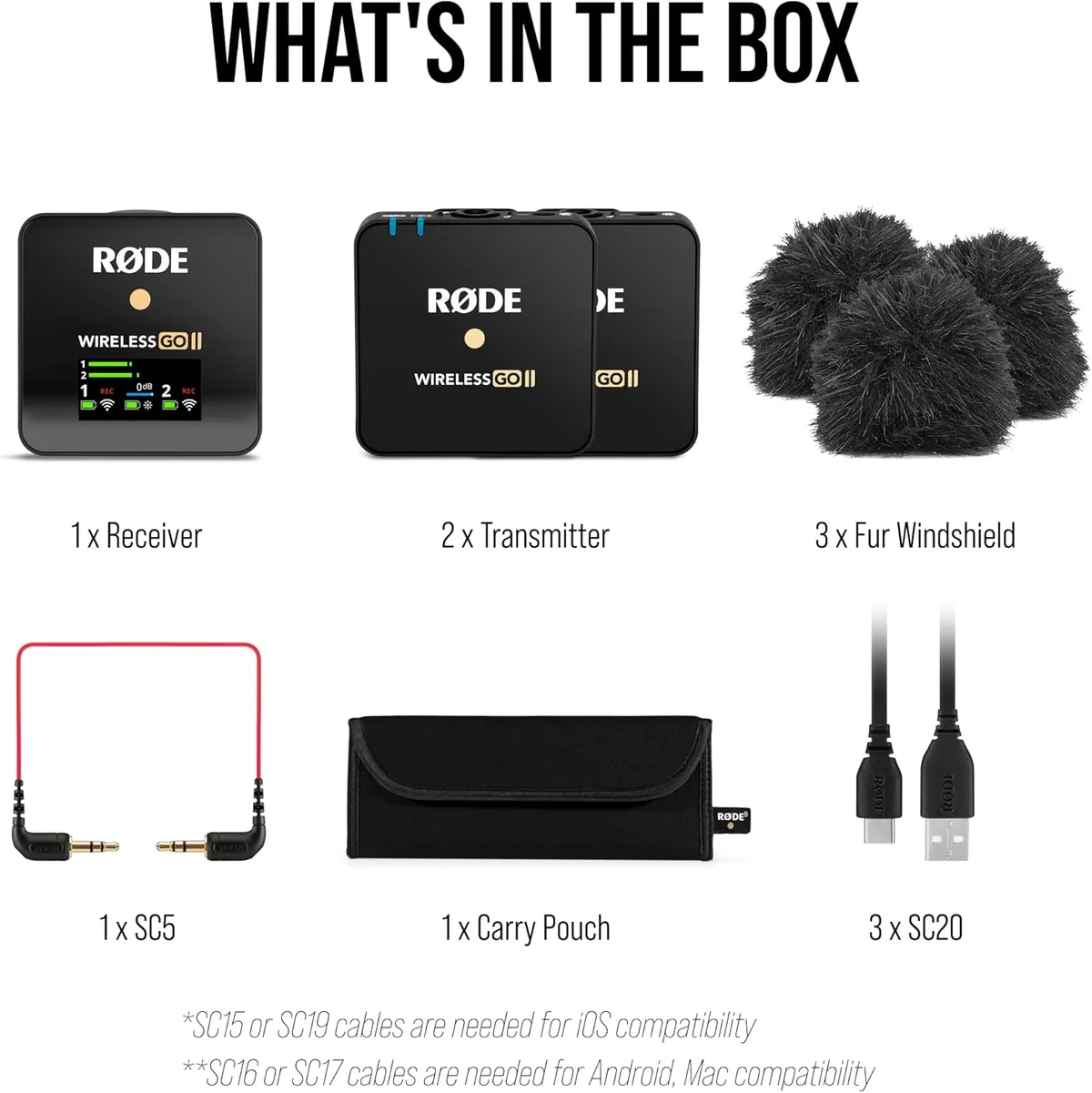
Wireless microphones carry a price premium because they include transmitters, receivers, batteries, antennas, and radio electronics that wired mics do not need. At every price tier, a wired mic delivers better audio per dollar for desk-based recording.
A Samson Q2U wired dynamic mic at $50–$100 produces better voice audio than a budget wireless lavalier at the same price. A DJI Mic Mini at $25–$50 produces comparable audio to a wired USB mic at half the price — but the DJI Mini lets you clip it to your shirt and walk around, which the desk mic cannot do.
The cost premium is justified only when you need the mobility. If your content format requires freedom of movement or invisible mic placement, wireless is worth the extra spend. If you record from a fixed position at a desk, the same budget buys a measurably better wired mic with no batteries to manage, no radio interference to worry about, no charging routine to maintain, and no risk of dropouts during critical recording moments.
The Verdict
This is not a "which format is better" question. It is a "what kind of content do you record and where do you record it" question. The answer determines the format.
Sit at a desk? Wired. Full stop. A Samson Q2U dynamic, Rode PodMic USB, or Shure MV7+ dynamic will sound better, cost less, and require zero maintenance compared to any wireless system used in the same scenario. The capsule is bigger, the position is closer, and the signal chain has fewer points of failure.
Move while recording? Wireless. No alternative. The DJI Mic 3 for professional use, the Hollyland Lark M2 for ultra-compact portability, or the DJI Mic Mini for budget smartphone recording. These systems have closed the quality gap to the point where wireless audio is fit for professional use — not a compromise you tolerate, but a tool that serves its purpose well.
Do both kinds of content? Own both kinds of mics. The total cost of a budget wired mic plus a budget wireless system is less than a single premium wireless kit. You get the right tool for every situation instead of a single tool that is adequate at everything and optimal at nothing. That is how every multi-format creator we have studied equips their workflow — and it is the recommendation we stand behind after reviewing every product in this category.
Frequently Asked Questions
Is wired or wireless better for podcasting?
Wired. Podcasters sit at a desk with the mic 4-6 inches from their mouth — no need for wireless freedom. A wired USB or XLR mic like the Shure MV7+ or Rode PodMic USB delivers better audio quality, zero latency, and no battery to manage. Wireless adds complexity and cost for zero benefit in a fixed-position recording setup.
Do wireless mics have noticeable latency?
Modern wireless systems from DJI, Rode, and Hollyland have latency under 20 milliseconds — unnoticeable for video recording where audio is synced in post. For live monitoring through headphones, some systems add 5-15ms of delay, which most users cannot perceive. Older analog wireless systems have near-zero latency but worse signal quality.
How long do wireless microphone batteries last?
Current-generation wireless mics vary widely. The DJI Mic 3 leads with 7 hours per transmitter (28 hours total with the charging case). The Hollyland Lark M2 manages 10 hours per transmitter (40 hours with case). Budget wireless lavs last 4-6 hours. Battery life drops in cold weather and with older units. Always carry the charging case as a backup.
Can wireless microphones match wired audio quality?
Top-tier wireless systems (DJI Mic 3 with 32-bit float recording) capture audio that rivals entry-level wired mics. But a wired dynamic mic at the same price point still produces better vocal audio because it sits closer to your mouth, rejects more background noise, and introduces zero radio transmission artifacts. Wireless quality is good enough for video content. It is not the best choice for audio-only content like podcasts.
Are wireless lavalier mics good for YouTube?
Yes — if you move while recording. Walk-and-talk content, interviews, cooking videos, fitness content, and on-location shoots all benefit from wireless freedom. For sit-down talking-head videos at a desk, a wired USB mic positioned close to your face produces better audio. Match the mic type to the content format.
What is the range of a wireless microphone?
Modern 2.4 GHz wireless systems (DJI, Rode, Hollyland) reach 200-250 meters in open line-of-sight. Indoor range drops to 30-80 meters depending on walls and interference. For most content creation — interviews, vlogs, event coverage — you rarely exceed 20 meters from the receiver. Range is almost never the limiting factor in practice.
Our Top Recommendation
Based on our research, the DJI Mic 3 is our top pick — content creators and indie filmmakers who need 32-bit float safety for interviews and run-and-gun shooting with timecode support..
Get Mic Picks Delivered
One email per week. Honest reviews, zero spam.
Only when something changes. Unsubscribe anytime.