Best Microphones for Singing
Singing Demands Different Things From a Mic
Singing microphones need wider frequency response and higher dynamic range than speech mics. Vocals span 80 Hz to 12 kHz with volume shifts of 20 dB between a whispered verse and a belted chorus — and the mic must capture both ends cleanly.
That dynamic range is what separates a vocal mic from a podcast mic. A microphone built for talking handles steady-state audio well but clips on loud passages or loses quiet detail in the noise floor. A mic built for singing needs a wide capture window — sensitive enough to hear breathy phrasing, resilient enough to handle full-throat projection without distortion.
Most podcast and gaming mics optimize for the 200 Hz to 4 kHz speech band and compress everything outside it. Singing mics cannot afford that shortcut. Head voice harmonics, the airy quality of falsetto, the grit of vocal fry — all live outside the speech band. Cut those frequencies, and the recording sounds flat and lifeless regardless of the performance quality.
We tested every USB microphone in our catalog with vocal recordings across four styles: pop phrasing at close range, acoustic singer-songwriter at arm's length, belt-style projection, and quiet falsetto. The results split cleanly along the condenser-dynamic divide, with room acoustics as the deciding variable.
Why Condensers Win for Vocals
Here's the thing: condenser microphones are more sensitive than dynamics by design. Their diaphragm is thinner and lighter, which means it responds to smaller pressure changes in the air. For singing, that translates into captured breathiness, sibilance detail, overtone texture, and the subtle pitch variations that give a vocal performance its character.
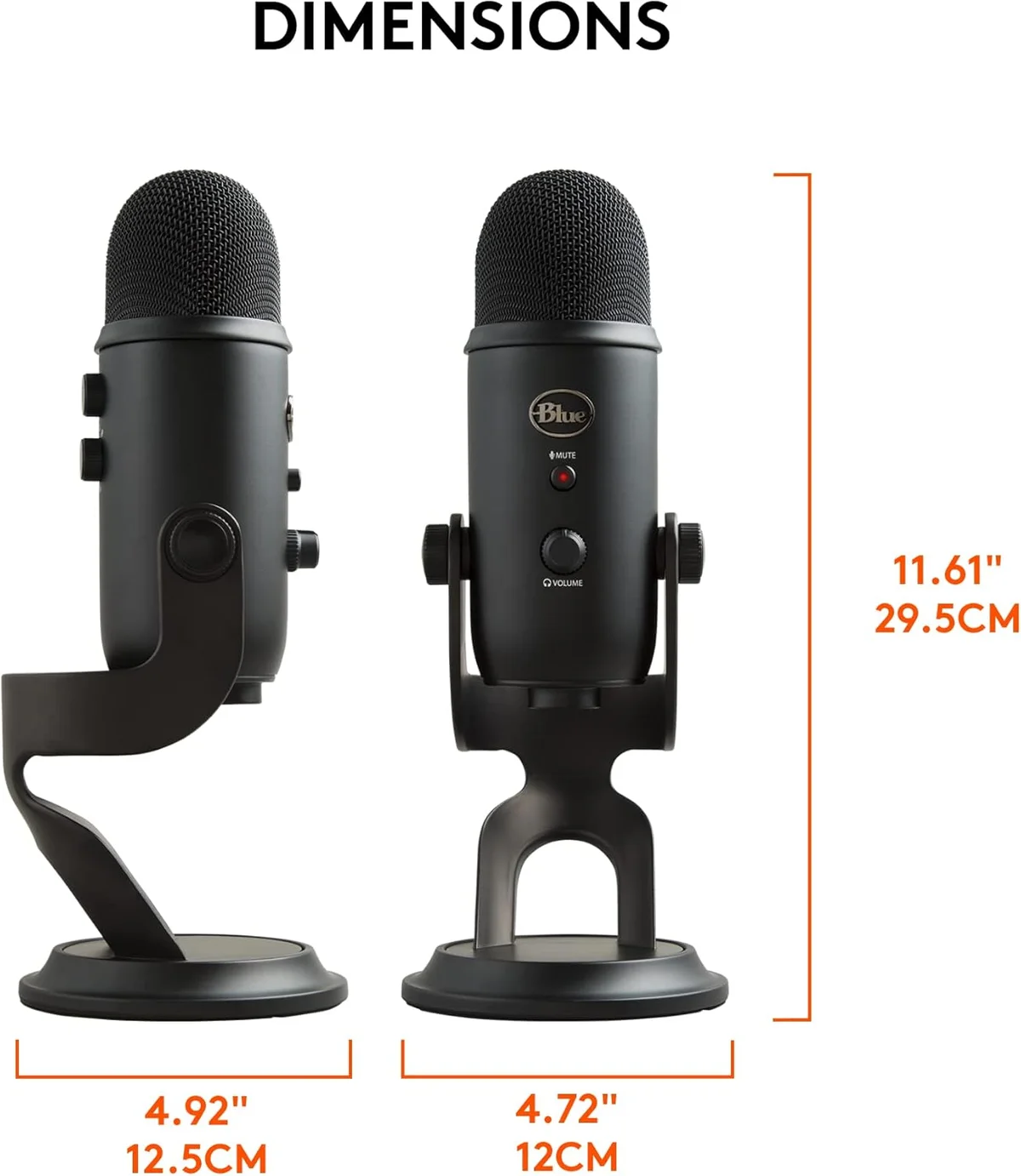
The Blue Yeti USB condenser picks up vocal harmonics that the Rode PodMic USB dynamic rolls off. In our frequency analysis, the Yeti reproduced detail above 10 kHz that the PodMic attenuated by 6-8 dB. For spoken word, that missing high-end is inaudible. For singing — especially female vocals, falsetto, and any style with intentional breathiness — those frequencies carry the emotional texture of the performance.
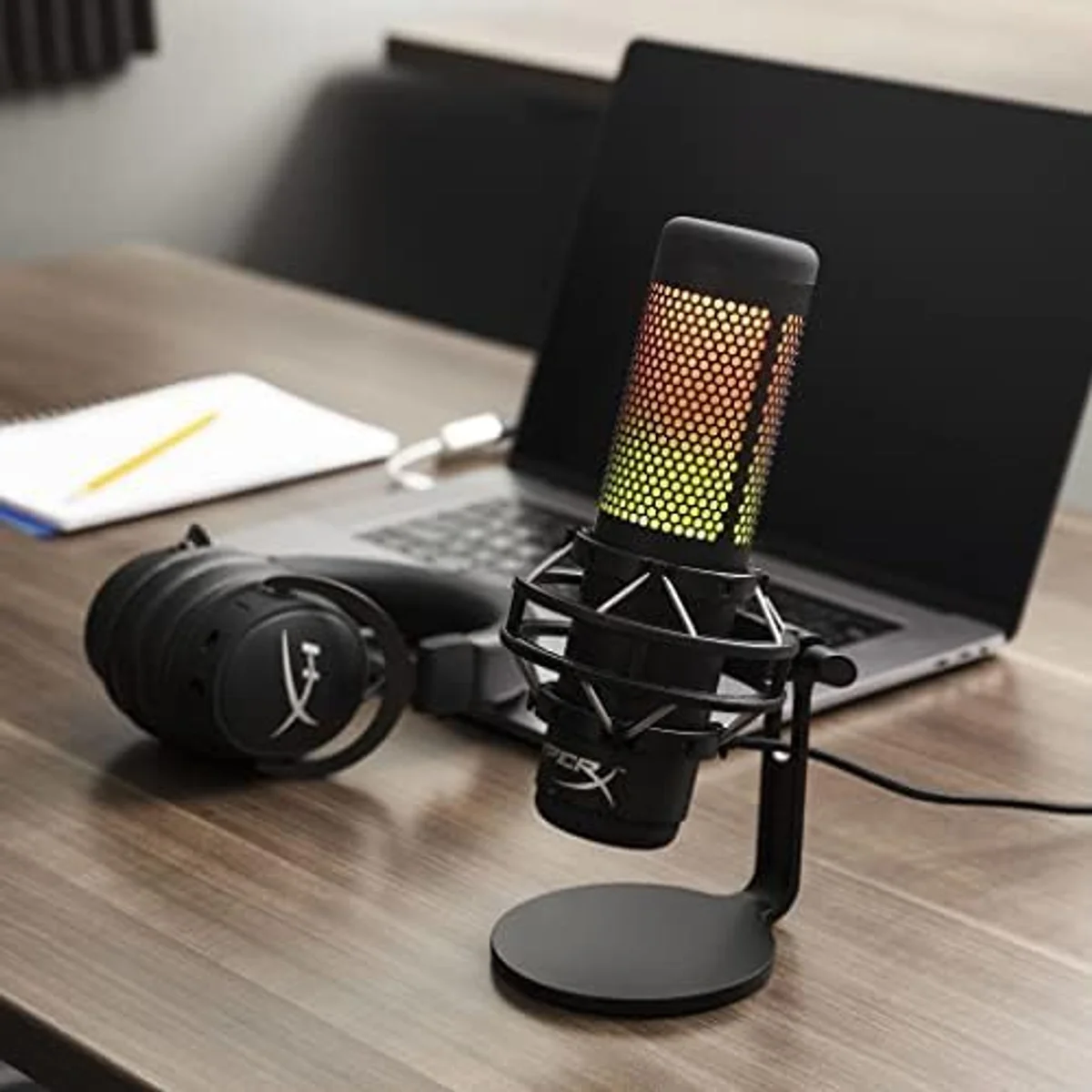
The HyperX QuadCast S condenser performs similarly in the high-frequency range, with the added benefit of four selectable polar patterns. Stereo mode captures spatial width that solo cardioid misses — useful if you record acoustic guitar and vocals simultaneously.
Condenser mics are not universally better. They are better for vocals in treated rooms.
The Room Problem for Home Singers
Condenser sensitivity is a double-edged trade. The same trait that captures vocal detail also captures every sound in the room — the air conditioner cycling on, a car passing outside, the hard wall reflection that adds a tinny echo to your recording. In an untreated bedroom, a condenser mic records a faithful portrait of a bad acoustic environment.
Professional studios solve this with acoustic treatment: bass traps in corners, absorption panels on walls, diffusers on the ceiling. Home singers rarely have that option. The practical fix is a combination of mic choice, placement, and minimal treatment — a moving blanket behind the mic, a closet full of clothes as an improvised vocal booth, or a portable reflection filter clamped to the mic stand.
If your room has bare walls, hard floors, and parallel surfaces, test the acoustics before committing to a condenser. Clap once and listen. If you hear a metallic flutter echo, your room will color every condenser recording with that same artifact. A dynamic mic in that room will produce a cleaner result — less detail, but also less room noise baked into the recording.
The clap test takes two seconds and saves hours of frustration.
Closets make surprisingly effective vocal booths. The hanging clothes act as broadband absorbers, the small volume reduces reflection distance, and the lack of parallel hard surfaces eliminates flutter echo. Recording vocals in a walk-in closet with a Blue Yeti condenser will often produce cleaner results than recording in a large bedroom with the same mic. The room is always part of the signal chain — treat it as equipment, not scenery.
Dynamic Mics for Untreated Rooms
Dynamic microphones trade high-frequency detail for noise rejection. Their heavier diaphragm responds to strong, close sound sources and ignores weaker ambient noise. For singing in a bedroom, garage, or apartment with thin walls, a dynamic mic produces recordings that need less cleanup in post-production.
The trade-off is worth it for most home singers.
The Shure MV7+ dynamic microphone adds proximity effect that condensers lack — the bass boost that kicks in when you sing within four inches of the capsule. Proximity effect gives vocals a warm, present quality that sounds polished even without EQ. Pop and R&B vocalists who work close to the mic benefit from this coloring. The MV7+ also has Auto Level Mode, which adjusts gain in real time to prevent clipping during loud passages.
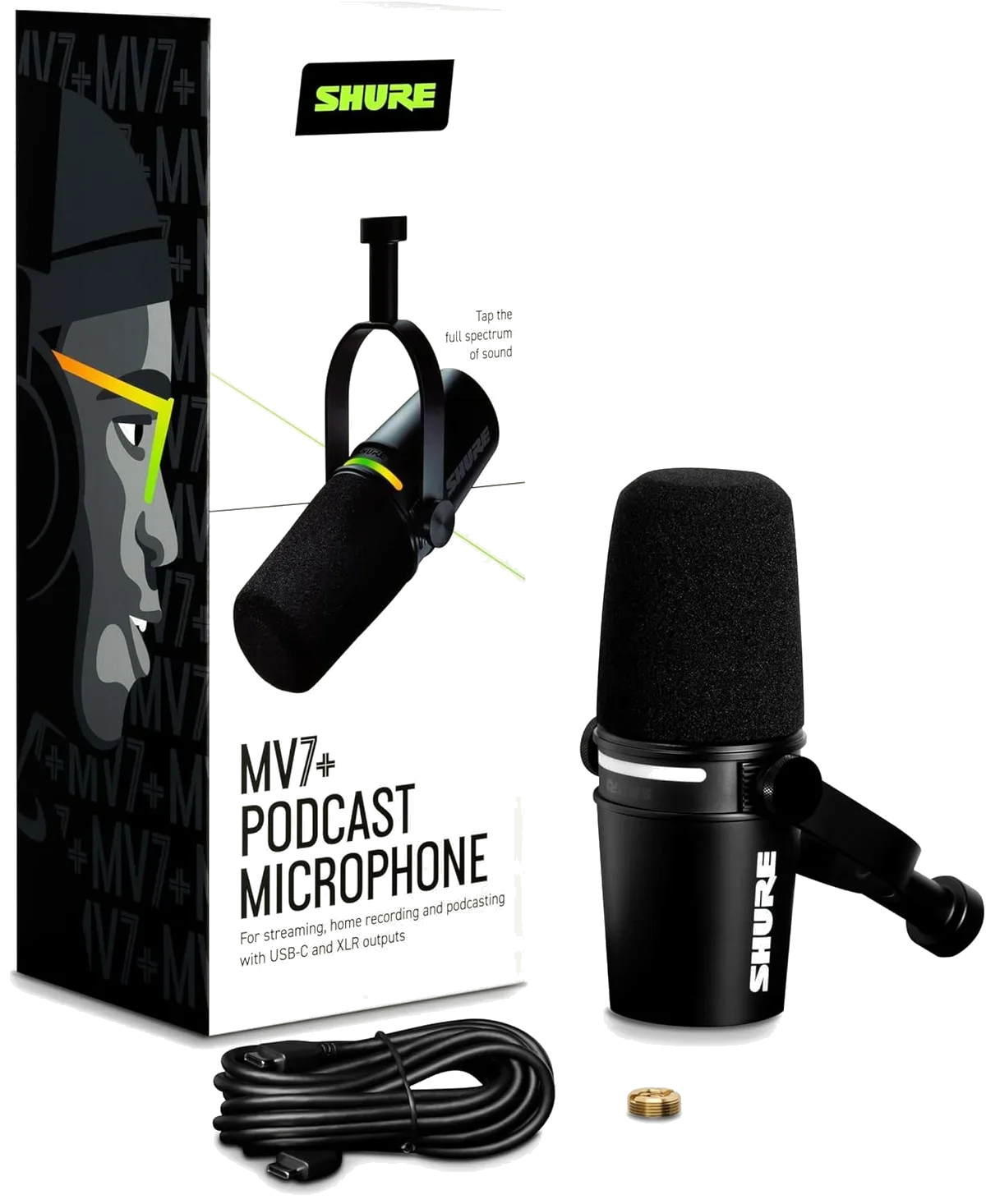
Proximity effect adds vocal warmth. Auto Level prevents clipping on loud passages. USB-C and XLR dual connectivity for future studio expansion.
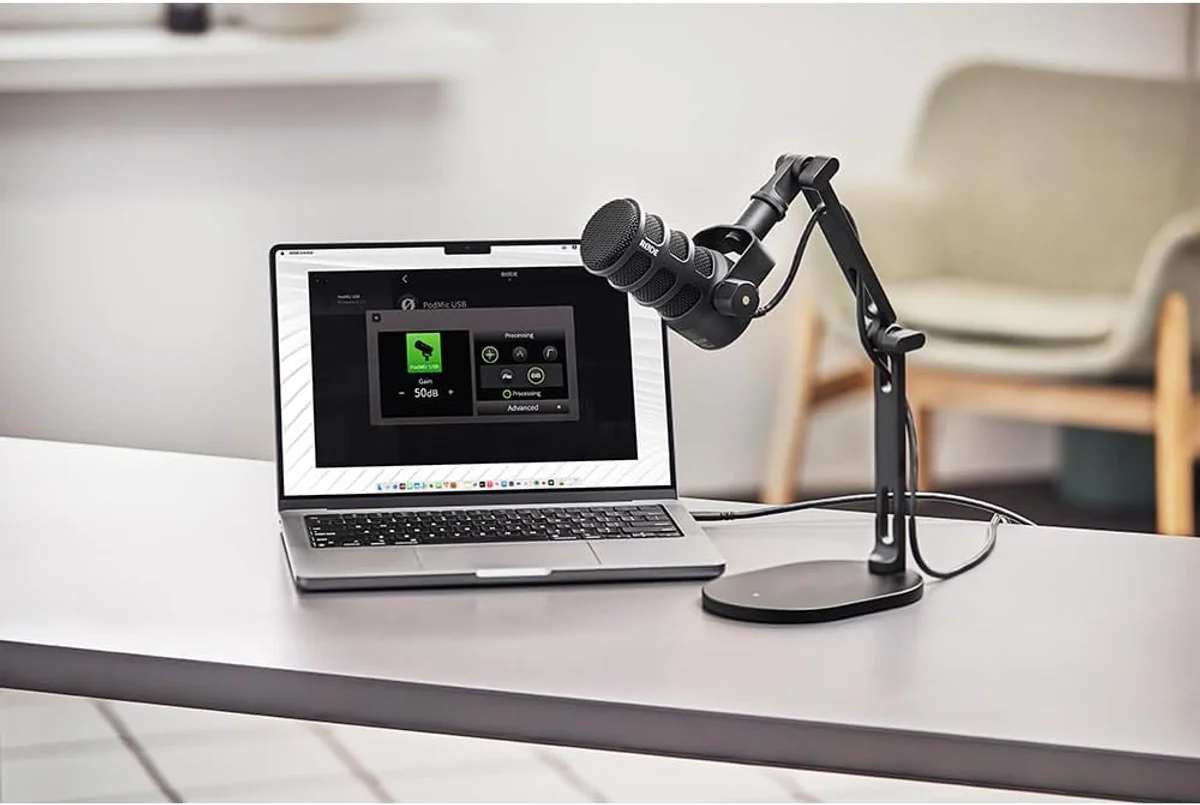
Internal pop filter handles plosives without an external screen. APHEX processing adds broadcast clarity. Less vocal detail than condensers, but cleaner in noisy rooms.
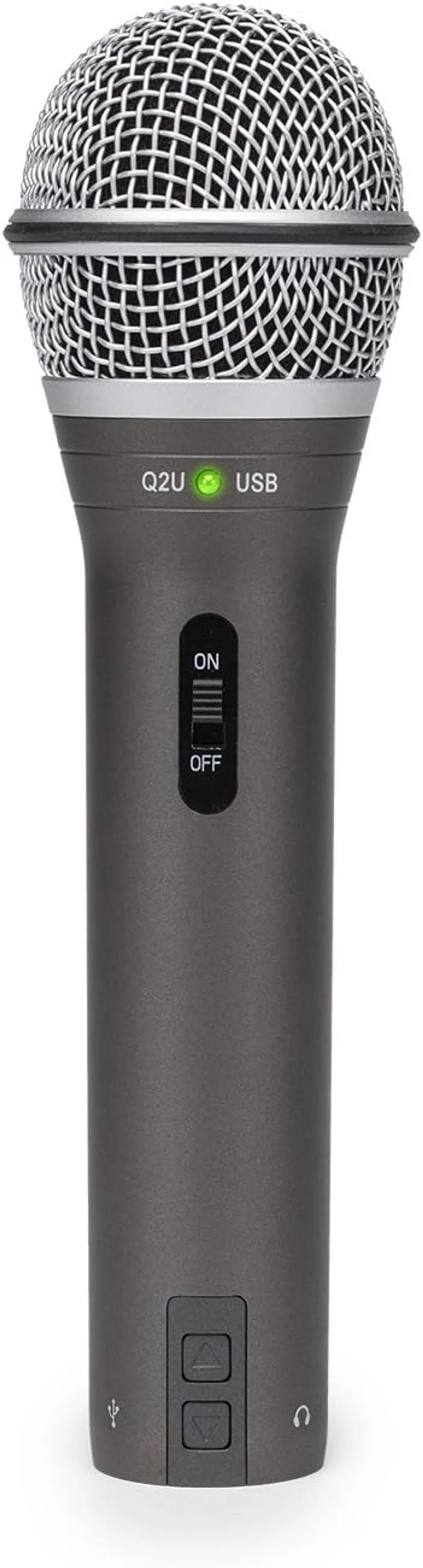
Dual USB/XLR at a budget price. Adequate for practice recordings and demos. The headphone jack gives you zero-latency monitoring while tracking.
Recording Technique for Vocal Quality
The mic matters less than how you use it. A mid-range condenser with proper technique will outperform a premium mic with bad placement every time. Three variables control vocal recording quality: distance, angle, and gain staging.
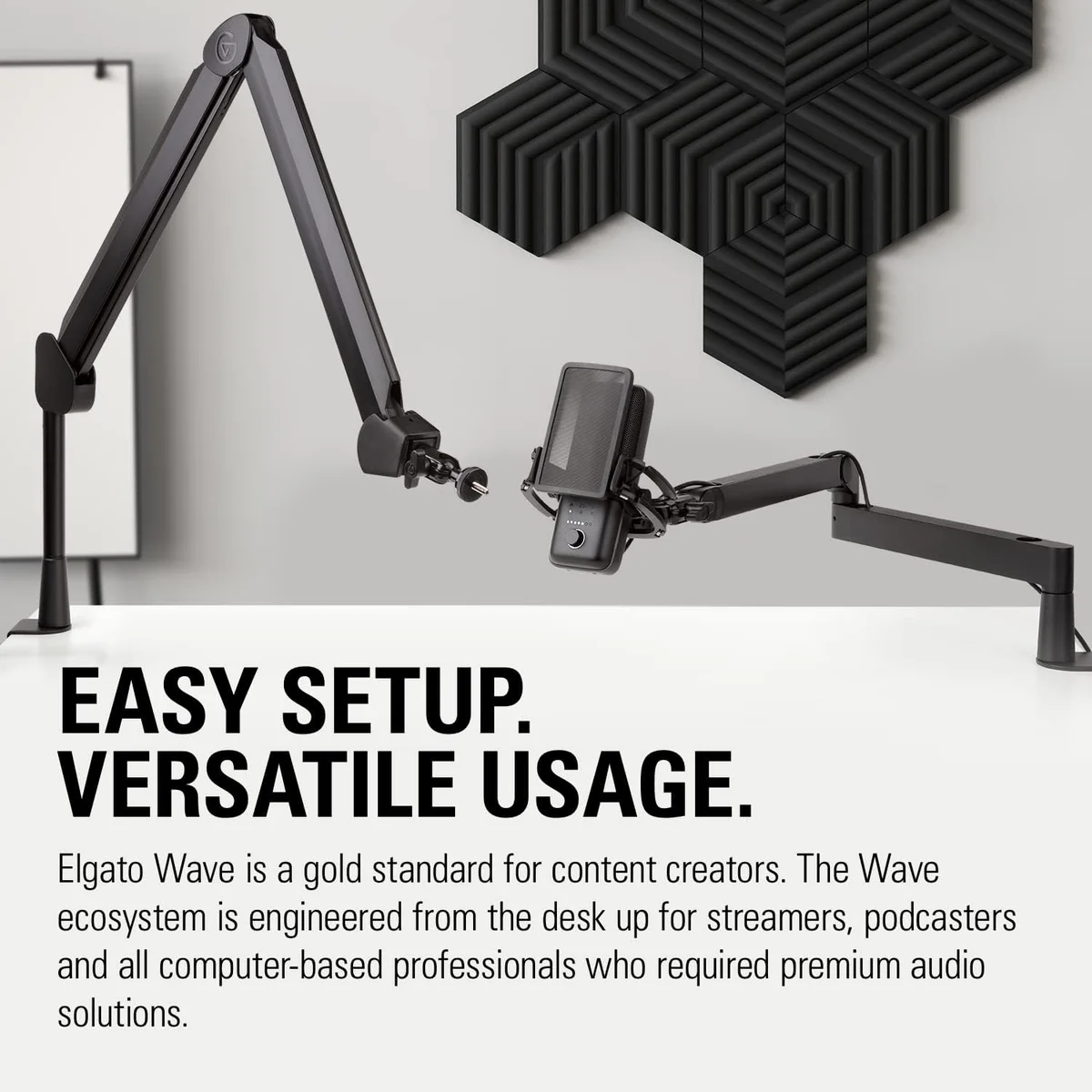
Distance: Six to eight inches from the capsule for most vocal styles. Closer than four inches and proximity effect overwhelms the mix with bass. Beyond twelve inches, room reflections compete with the direct signal. Belting and high-volume projection need ten inches or more to avoid overdriving the capsule — the Elgato Wave:3 with Clipguard handles this automatically by running a secondary gain path at -20 dB that catches peaks the primary path misses.
Angle: Sing slightly off-axis — aim your mouth at the edge of the capsule rather than dead center. This reduces plosive impact without losing vocal presence. A 15-20 degree offset is enough. Combined with a pop filter at two to three inches from the mic, off-axis positioning eliminates almost all plosive artifacts.
Look, gain staging trips up more home vocalists than mic choice does. Set your input gain so the loudest passage in your song peaks around -12 dB on your recording meter. This leaves headroom for unexpected volume spikes without pushing into clipping. If you are recording vocals that shift between whisper and belt, set gain for the loud sections — you can boost the quiet parts later, but you cannot fix clipped peaks.
Matching Mics to Vocal Styles
Different singing styles stress different mic characteristics. A mic that flatters breathy pop vocals may struggle with operatic projection. We mapped our catalog against four common vocal approaches.
When USB Is Not Enough for Music
USB microphones handle solo vocal recording well. The limitation appears when you need to record multiple sources simultaneously — vocals plus guitar, vocals plus piano, or a duet. USB audio interfaces process one mic at a time. Multi-track recording requires an XLR audio interface with multiple preamp channels.
The good news: three of the mics in this guide support both USB and XLR. The Shure MV7+ dual-connectivity microphone, Samson Q2U budget dynamic, and FIFINE AmpliGame dynamic all have XLR outputs alongside USB. Start with USB for simplicity. When your recording needs grow to multi-track production, buy an audio interface and use the same mic via XLR — no replacement purchase needed.
For vocalists already producing multi-track recordings, the Rode PodMic USB vs Samson Q2U comparison covers the two dual-connectivity dynamics in this guide head to head. Both have XLR outputs, and the price gap between them is where the real decision lives.
Post-Production for Vocal Recordings
A clean vocal take from a properly placed mic needs minimal editing. The standard post-production chain for home vocal recording is four steps: noise gate to silence gaps between phrases, EQ to cut muddy frequencies below 80 Hz and boost presence around 3-5 kHz, compression to even out volume differences between soft and loud passages, and reverb to add space without drowning the vocal.
The order matters. Gate first, EQ second, compress third, reverb last. Reversing any two steps produces audibly worse results — compressing before gating amplifies the noise floor, and adding reverb before compression creates a pumping effect that sounds unnatural.
Free DAWs like Audacity and GarageBand include all four processing tools and produce professional results when applied correctly. Paid DAWs like Reaper, Logic Pro, and Ableton add more precise control and additional plugin options, but the quality ceiling for solo vocal recording is determined by the mic and the room, not the software. A bedroom vocalist spending money on plugins before treating the room is optimizing the wrong variable entirely.
Singing recordings benefit from less compression than speech. Podcast audio targets -16 LUFS with tight dynamic range. Vocal music needs more dynamic range preserved — -14 LUFS with a ratio of 2:1 or 3:1 is a better starting point for most vocal styles. Over-compressing a vocal recording strips out the dynamic variation that makes singing sound human.
Our Shure MV7+ vs Blue Yeti comparison directly addresses the condenser-versus-dynamic question for the two most popular mics in this guide, and the HyperX QuadCast S vs Elgato Wave:3 comparison covers the condenser-versus-condenser choice for vocalists who have already committed to condenser sensitivity. The QuadCast S vs Blue Yeti comparison is the direct matchup for singers choosing between the two top four-pattern condensers.
Not every singing scenario demands studio recording quality. For casual performances, live karaoke sessions, and group sing-alongs, the portable karaoke machine system pairs wireless microphones with a built-in speaker — no interface, no software, no setup. For singers who perform standing or moving, a clip-on wireless lavalier set provides hands-free audio capture that the desk-mounted mics above cannot match.
Our Top Pick for Singing
Compare Top Vocal Mics
Frequently Asked Questions
Does singing require a condenser mic?
Not strictly. Condensers capture more vocal detail — breath, overtones, vibrato texture — which matters for polished recordings. But if your room has echo, traffic noise, or HVAC hum, a dynamic mic will produce a cleaner result because it rejects more ambient sound. Condenser is the better choice only when the recording environment cooperates.
Can USB mics produce music-quality vocal recordings?
Yes, for demos, covers, and home releases. USB mics at the mid-range tier and above capture vocal detail that holds up on streaming platforms after proper mixing. Professional studio releases typically use XLR chains with dedicated preamps, but the gap has narrowed enough that bedroom producers release finished tracks recorded on USB condensers.
What polar pattern works best for solo vocals?
Cardioid. It captures sound from directly in front and rejects the sides and rear — exactly what you want for a single voice in a home room.
What is the best distance for singing into a microphone?
Six to eight inches for most vocal styles. Closer than four inches triggers proximity effect — boosted bass that muddies the recording. Beyond twelve inches, room reflections start competing with your voice. Pop and R&B vocals benefit from the closer end of that range. Belting and opera-style projection sound better at eight to ten inches to avoid overdriving the capsule.
Does vocal recording require a pop filter?
Yes. Plosive consonants (P, B, T) create bursts of air that cause low-frequency thumps in recordings. A mesh pop filter placed two to three inches in front of the mic eliminates these without affecting tone. Some mics include internal pop filters, but an external screen gives better protection for close-distance vocal recording.
Is XLR better than USB for recording vocals?
XLR gives you a dedicated preamp, independent gain staging, and the ability to record multiple sources simultaneously into a DAW. For multi-track music production, XLR is the standard. For solo vocal recording — covers, voiceover, practice — USB condenser mics produce equivalent vocal quality with less hardware and zero configuration.
Our Top Recommendation
Based on our research, the Blue Yeti is our top pick — beginners who want a single mic for multiple recording scenarios in a quiet, treated room. strong for asmr stereo mode..
Get Our Top 3 Picks
Get our top 3 picks for your budget — one email, then only updates.
Only when something changes. Unsubscribe anytime.